Complaints Procedure for Commercial Waste Removal Brent Cross
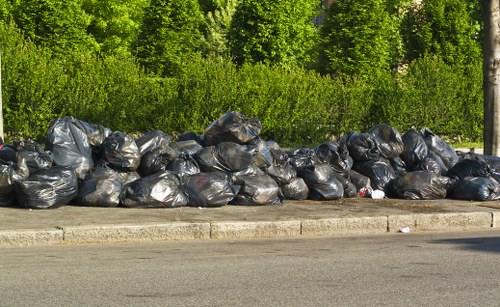 This document outlines the formal complaints procedure for commercial waste removal Brent Cross services delivered to businesses and organisations. It sets out clear stages for raising concerns about commercial rubbish removal, waste collection failures, missed collections, equipment damage, incorrect invoicing or other service delivery issues. The process applies to all commercial waste collection in Brent Cross accounts and is designed to be fair, transparent and timely while protecting the rights of both the service provider and the customer.
The aim is to provide a structured route so disputes are resolved efficiently without escalating to third parties unnecessarily. This procedure is not a guide to how to run your operations; rather it is a formal policy for handling complaints about business waste disposal Brent Cross services. It explains responsibilities, timescales, and escalation steps. It should be read alongside contractual terms and waste transfer documentation where applicable.
 Complaints should be made in writing where possible so that there is a clear record of the issue raised. When making a complaint, include: the account or service reference; date and time of the incident where known; a clear description of the problem; any photographic or documentary evidence; and the desired outcome. Complaints that relate to health and safety hazards or environmental risks will be prioritised for immediate action.
Initial Response and Acknowledgement
On receipt of a formal complaint about commercial waste removal in Brent Cross, the complaints team will acknowledge it promptly. Acknowledgement will confirm the complaint has been logged, outline the next steps, and provide an estimate of how long a full investigation will take. A straightforward acknowledgement avoids uncertainty and ensures both parties have a reference point for any follow-up correspondence.
 An initial review will determine whether the complaint can be resolved immediately or requires a full investigation. Simple service errors, such as a missed collection that can be rectified within one working day, may be resolved without a protracted investigation. More complex matters — for example disputes over chargeable services, alleged damage to property, or alleged breaches of environmental requirements — will enter the formal investigation stage.
The organisation handling the complaint will appoint a case officer who is responsible for coordinating the investigation, communicating progress, and producing a written response. The officer will review relevant documentation including collection records, waste transfer notes, vehicle run sheets and crew reports, and may request further information from the complainant.
Investigation and Resolution
The investigation will be conducted with impartiality and due diligence. Where necessary, the case officer will interview staff, inspect equipment or sites, and consult operational records. The goal is to determine the facts and identify corrective actions. Typical outcomes include an apology, an offer of credit or remediation, replacement of damaged property where appropriate, or confirmation that contractual obligations were met.
The procedure follows these core steps:
- Receive and log complaint.
- Assess urgency and assign a case officer.
- Gather evidence and consult relevant records.
- Communicate progress and provisional findings.
- Agree remedial actions and timescales or explain findings where no fault is found.
All outcomes will be communicated in writing, and where corrective action is required it will include a clear timetable and responsible party for completion. If the complaint is upheld, the organisation will take appropriate corrective steps and consider systemic changes to prevent recurrence.
 Escalation: If a complainant is not satisfied with the initial outcome, they may request an internal review. The review will be conducted by a senior manager who was not involved in the original investigation. The internal review aims to provide an independent reconsideration of the facts, evidence and remedy proposed.
Where disputes remain unresolved after internal review, parties are encouraged to consider independent dispute resolution avenues available under the contract or applicable regulatory framework for commercial waste services. This may include formal mediation or arbitration options that are stipulated in the service agreement. Such steps are taken only after exhausting the organisation’s internal complaints process.
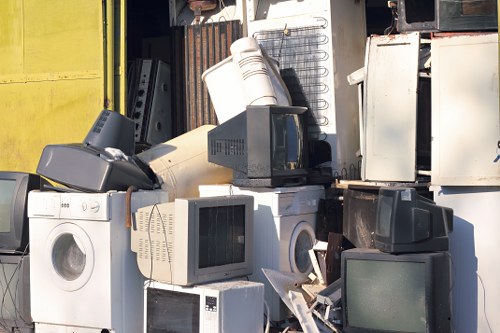 Record keeping and confidentiality: All complaints, investigations and outcomes will be recorded and retained in accordance with the organisation’s records retention policies. Personal and commercial information will be handled in line with data protection requirements. Records will be used to monitor trends, report on service performance, and support continuous improvement of commercial rubbish collection Brent Cross operations.
Performance monitoring and learning are central to preventing recurrence. Complaint trends will be analysed periodically so that operational adjustments, training, or policy changes can be implemented. This promotes consistent service delivery across all commercial waste services in Brent Cross accounts and helps maintain compliance with environmental and waste management obligations.
Responsibilities: The organisation is responsible for ensuring staff are trained in complaint handling and for providing clear escalation routes. Complainants are expected to provide honest, accurate information and to cooperate where further detail is required to resolve the matter.
Final note: This complaints procedure applies to commercial waste and business waste disposal services and is intended to support fair resolution of disputes. It sets reasonable timescales for responses and seeks to maintain mutual respect and constructive dialogue throughout the process. The procedure does not affect statutory rights that exist independently of this policy.