Commercial Waste Removal in Brent Cross
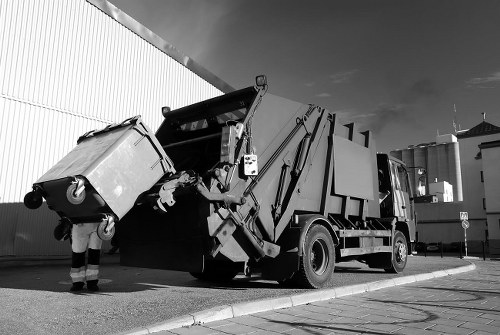
Commercial waste removal in Brent Cross needs to be practical, well organised and suited to the day-to-day demands of shops, offices, workshops, hospitality premises and managed properties. We provide a straightforward service for the collection and removal of unwanted business waste, with attention to sorting, loading and responsible onward handling. The aim is to keep your premises clear without turning disposal into a complicated task, whether you are dealing with recurring waste streams or a one-off accumulation of mixed items.
Our service is built around useful collection work rather than a one-size-fits-all approach. That means we can deal with mixed commercial waste, office clearances, bulky furniture, fixtures, appliances and other non-hazardous items that need to be removed from business premises. If you are arranging clearance around trading hours, refits, moves or end-of-tenancy work, it helps to plan the waste list clearly and separate anything that requires special handling. A simple description of what needs moving is often enough to start, and you can then request a quotation when you are ready.
For businesses that want a tidier site with less disruption, the service can be organised to suit the amount of waste and the type of access available. We handle the practical side of lifting, loading and disposal, while keeping communication direct and the process easy to follow. If you want to compare the likely scope first, start with the main items and note any constraints such as stairs, narrow corridors or shared entrances before you ask for a quotation.
Business waste collected from workplaces and trading premises
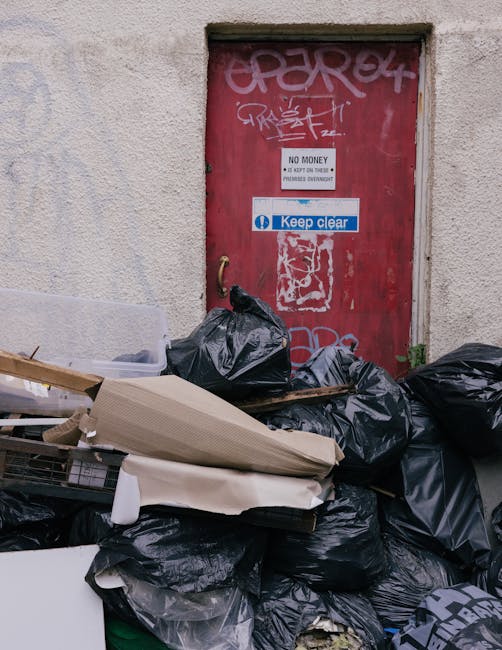
Business waste removal is often about more than taking away a few bags. Offices, retail units, studios and light industrial spaces can generate mixed waste that builds up quickly: packaging, shelving, unwanted furniture, redundant equipment and everyday rubbish all require different handling in practice, even when they leave the premises together. Our service is designed to remove that pressure by collecting the items, loading them efficiently and taking them away in a way that suits the work being carried out on site.
Where the waste is from a workplace, it is useful to think in terms of what needs to leave the building, what needs to stay for re-use and what may need separating before removal. That distinction helps keep the job efficient and avoids last-minute delays. For some sites, the work is a simple clear-out; for others, it is part of a gradual changeover, relocation or stock refresh. You can also review the service details on business waste removal if you want a closer look at the kinds of work typically covered.
Useful types of commercial clearance
Commercial clearances can include more than standard rubbish removal. Depending on the premises, there may be office desks and chairs, storage units, small fixtures, broken display items, packaging from deliveries, and general waste that no longer has a place on site. In some cases, furniture disposal is the main task; in others, a broader clearance is needed so that floors, corners and shared spaces can be reset for the next phase of work. Where relevant, we can also take away bulky items that need careful manoeuvring through interior spaces.
Office and workspace removals
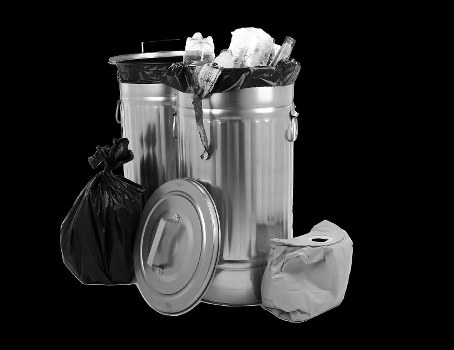
Office waste removal is usually most effective when it is handled as a planned clear-out rather than an improvised tidy-up. Desks, task chairs, storage cabinets, archive boxes, computer peripherals and reception furniture can all occupy a surprising amount of space, and moving them takes more than a quick sweep through the room. We remove office waste with practical loading and transport in mind, so the space can be returned to use without leaving you with leftover clutter to deal with separately.
When offices are being reorganised, vacated or refreshed, there may be a mixture of recyclable material, reusable furniture and general waste. The more clearly those groups are identified, the easier the removal becomes. Keep a simple inventory of large items, note anything fixed in place, and mention if access involves lifts, reception controls or limited parking. That information is useful when you request a quotation, because it helps match the waste collection to the actual layout and item mix rather than to a guess.
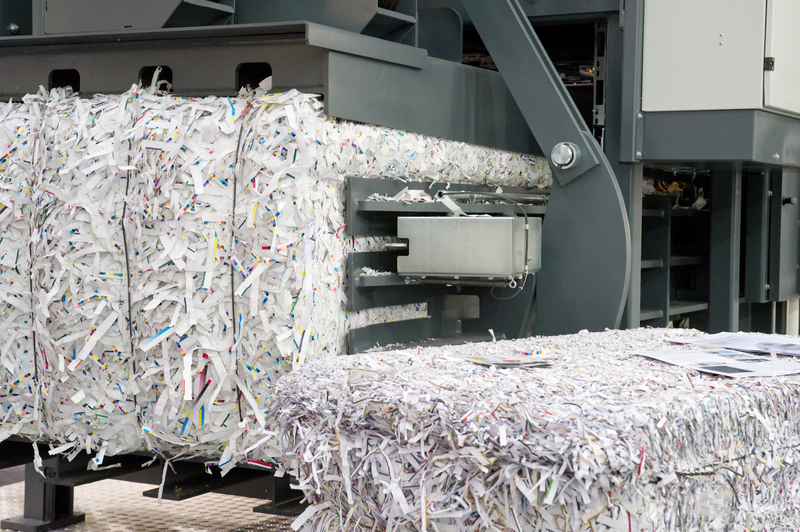
For some premises, the main concern is confidentiality and tidiness rather than quantity. In those cases, it can help to combine waste removal with a separate secure document process if required, while keeping furniture and non-sensitive rubbish in the main collection. If you are arranging a broader office clearance, our team can focus on the physical removal work while you decide what stays on site and what should be taken away. The result is a more orderly handover or a cleaner workspace with less disruption to business routines.
Furniture, fixtures and bulky item disposal
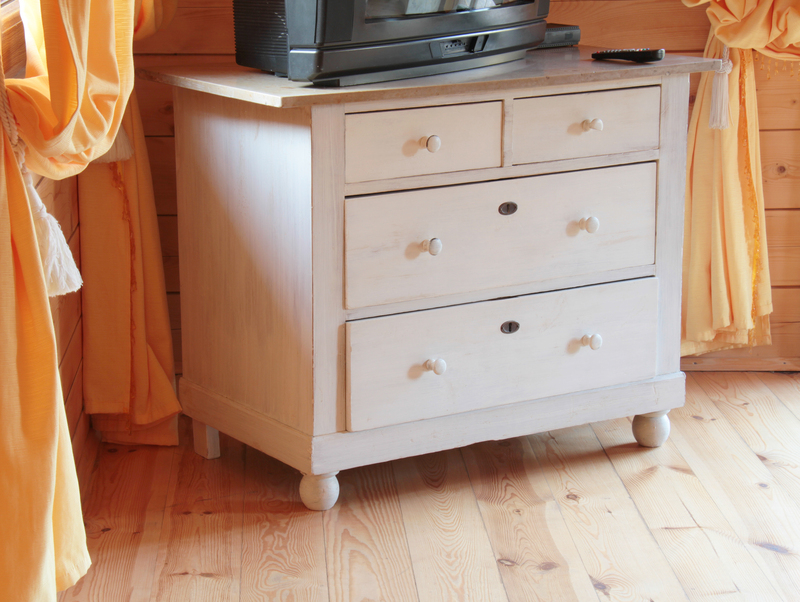
Bulky items often cause the most inconvenience because they are awkward to move, difficult to store and hard to dispose of with ordinary bins. Furniture removal can cover desks, shelving, cabinets, sofas, chairs, tables and other pieces that are no longer needed. In a commercial setting, furniture disposal may also involve reception pieces, meeting room furnishings or back-office storage that must be taken out carefully to avoid damage to corridors, walls and door frames.
Not every bulky item is handled the same way, so it is sensible to think about size, condition and material before arranging collection. Some items may be suitable for reuse elsewhere, while others are ready only for disposal. If you are deciding what to include, it is often easier to separate items into broad groups first and then ask for a quotation based on the total load. Furniture disposal may be useful if your enquiry is mainly about heavy or awkward items rather than a full premises clearance.
Planning access for large items
Because bulky furniture often travels through shared or narrow spaces, access details matter. Door widths, stairs, loading bays and lift limits can all influence the method used to remove the items. Good planning also helps when the work has to be fitted around trading hours or other occupiers. Clear access points, a short list of priority items and an agreed collection area can make the process more orderly without adding unnecessary admin. Once the load is understood, the quotation can reflect the work more accurately.
Household-style clearances for business premises
Some commercial sites contain items that are usually associated with domestic spaces, especially when premises include staff rooms, rented accommodation, mixed-use units or converted buildings. In those situations, house clearance methods can sometimes be relevant because the waste mix includes furniture, small appliances, loose items and general clutter rather than only office equipment. The important point is not the label attached to the item but the practical work needed to remove it safely and efficiently.
When a business property has accumulated mixed contents, it is sensible to separate what is to be kept, what can be reused and what should be taken away. That approach reduces confusion and helps make the clearance more predictable. If the job is especially item-heavy, a fuller property clearance may be the better reference point for planning. You can view house clearance as a related service area if your site includes a significant amount of domestic-style furniture or general contents.
Clearances of this type are most useful when the customer wants a single, coordinated removal rather than multiple smaller trips. The team can deal with loading and transport while you decide which rooms, cupboards or storage areas are included. For multi-use buildings, that practical division often makes the work easier to schedule and easier to explain when you are asking for a quotation.
What can be included in a commercial clearance
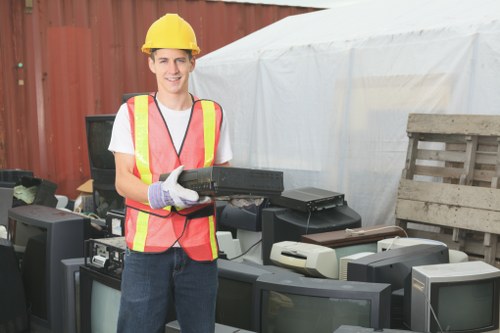
The exact contents of a commercial waste collection depend on the site, but common examples include broken office furniture, packaging, shop fittings, redundant stock containers, mixed rubbish, obsolete storage and items left after a move or fit-out. The purpose of the service is to remove material that is no longer needed while keeping the process efficient and the premises usable. We therefore focus on practical collection rather than on overcomplicating the job with unnecessary steps.
Different material types may need different handling, and some will be better treated as separate categories for clarity. For example, appliances, furniture and standard waste may each need to be grouped in a way that matches the collection and disposal stage. If you would like a more detailed reference point for mixed commercial rubbish, the page on waste removal is a useful place to start. It can help you compare the main service area with the specific contents you want taken away.
- Office furniture and seating
- Retail fixtures and display items
- Packaging, cartons and mixed general waste
- Small appliances and redundant equipment
- Storage units, shelves and cupboards
- Items from clear-outs, moves or refurbishments
It is often worth deciding in advance whether the job is mainly a waste collection, a furniture removal or a wider premises clearance. That small distinction can make it easier to describe the work accurately and to avoid under- or over-scoping the request. Once the mixture of items is clear, the quotation can be prepared around what actually needs to leave the site.
Site cleanliness, access and service planning
A good commercial clearance is usually about organisation as much as lifting and transport. If items are spread across several rooms or floors, the sequence of removal matters. If there is shared access, it helps to know how long the loading area can be used and whether there are restrictions on vehicle access or collection times. These details are not there to complicate the job; they simply allow the service to be matched to the real conditions on site.
One of the most useful things a customer can provide is a clear description of the waste and a note on access. That might include the number of bags, the main types of bulky items, any stairs or lift use, and whether the collection point is inside or at ground level. Photographs can be helpful when the waste mix is varied, because they reduce guesswork and can make a quotation more precise. If the job is straightforward, a short list may be enough.
For planned clearances, it is also sensible to consider the timing of the work. Some sites need removal outside busier hours, while others benefit from a single visit that clears the main load in one go. pricing and quotes may help if you want to understand the way a quotation is usually prepared before sending details. Keeping the request focused on what is present, where it is and how it can be reached is usually the most helpful approach.
About Brent Cross
Brent Cross is an area in north west London best known for its major transport links and for the Brent Cross Shopping Centre, which opened in 1976 and became one of the UK’s earliest covered shopping centres. The area sits within the London Borough of Barnet and lies close to the A41, the North Circular Road and the M1 corridor, making it a place strongly shaped by movement, roads and retail development. Nearby geography includes the valley of the River Brent, from which the area takes its name, although the modern district is more widely associated with post-war development than with any single older village centre. The surrounding landscape contains a mixture of large-scale commercial premises, residential streets and transport infrastructure, giving the district a distinctive character that is different from the older town centres further north. Brent Cross is also connected to the wider history of suburban expansion in Barnet, where farmland, coaching routes and later road projects were gradually replaced by shopping, offices and housing. Over time, the area has become closely tied to modern retail and logistics activity, and the name now carries strong associations with access, regional shopping and the changing pattern of north London development. Its location and infrastructure make it a notable point on the map, but its identity also comes from the layered combination of river valley, road network, commercial land use and continuing redevelopment around the wider Brent Cross Cricklewood area.
Hazardous or specialist waste

Most commercial clearances involve ordinary non-hazardous items, but some premises generate materials that need more careful handling. That can include substances, containers or equipment that should not be treated as standard mixed waste. In those cases, the safest approach is to identify the item early and separate it from the general load so the collection can be planned correctly. It is better to be specific than to assume that every unwanted object belongs in the same category.
If your business waste includes specialist items, the main question is whether the material belongs in the ordinary clearance or needs a separate disposal route. That distinction matters for loading, transport and any onward treatment, and it can affect the structure of the quotation. For a more focused overview of unusual or sensitive items, the page on hazardous waste disposal may be useful. The key is to describe the material honestly so the collection method matches the actual waste type.
Where there is uncertainty, a careful description is the right starting point. Mention the item, its condition and where it is stored, and avoid mixing it in with standard rubbish when you are preparing the request. This helps keep the collection manageable and ensures the job is priced around the correct level of handling. If the material is not hazardous after all, it can still be folded into the wider commercial waste removal plan.
Recycling, disposal and responsible handling
Commercial waste removal is not only about getting things off the premises; it is also about handling the load responsibly afterwards. Different materials may be directed to different disposal or recovery routes depending on what they are and how they have been grouped. That makes it worthwhile to separate reusable, recyclable and general waste where practical, especially when the collection contains a mix of furniture, packaging and office contents.
Some customers want a disposal service that is simple and efficient, while others are more focused on how items are sorted after collection. Either way, it helps to know that not all waste behaves the same once it leaves the site. If you are deciding what to do with fridges, appliances or electronic items, you may find the related service page on recycling and sustainability useful as a further point of reference. The practical aim is to move items onward in a way that suits their material type and current condition.
Making the quotation easier to prepare
There are two broad pieces of information that are especially helpful when you request a quotation: what is being removed and how it can be reached. From there, any extra detail about item quantity, floor level, parking, loading restrictions or time constraints helps refine the scope. That is usually enough to turn a general enquiry into a practical collection plan without creating unnecessary back-and-forth.
Enquiries, bookings and next steps

If you are arranging commercial waste removal in Brent Cross, a clear summary of the work is the best way to begin. Tell us whether the job is a simple waste collection, a bulky furniture removal or a wider premises clearance, and mention any access issues that could affect lifting or loading. If the load includes mixed items, list the largest pieces first and then the smaller waste categories underneath. That gives the quotation a sound basis and helps avoid surprises.
For customers who are comparing services, it can also help to separate the decision into three parts: the type of waste, the amount to be removed and the practical route out of the building. When those points are understood, the next step is straightforward. You can keep your request brief and still make it useful, especially if the premises are busy or the clearance has to be fitted around trading hours. If you want to check related service options first, office clearance is a useful supporting page for workspace-focused jobs.
When you are ready to move forward, request a quotation with a short description of the job and any information that affects access. If you already know the collection should include furniture, appliances or mixed business waste, include that in one message so the scope is easier to read. For a direct next step, use the contact page at contact us and ask for a quotation for commercial waste removal in Brent Cross.